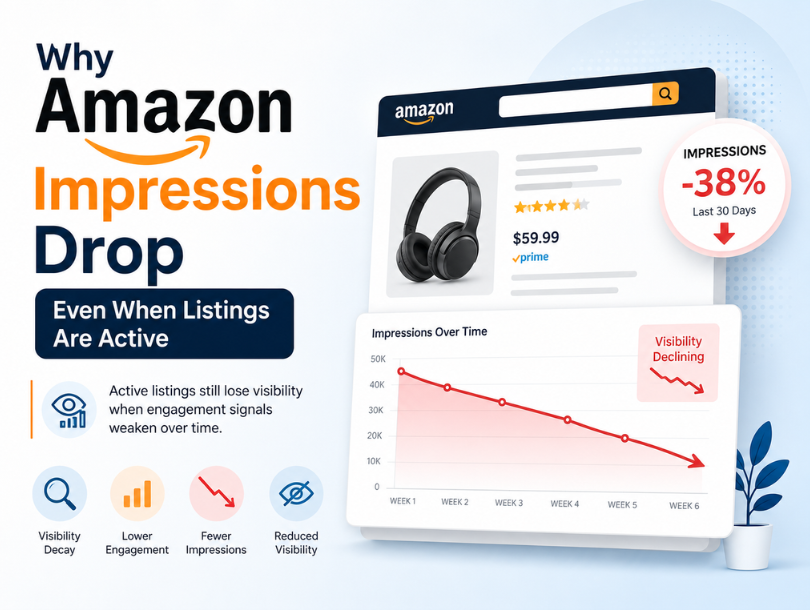

In today’s competitive eCommerce landscape, success is no longer about how hard you work—it’s about how consistently you perform. Marketplace algorithms are designed to reward discipline, not effort. Sellers who rely on guesswork, emotional decisions, or inconsistent execution often struggle to maintain visibility, while structured sellers steadily climb rankings and dominate search results.
Understanding Performance-Based Ranking
Modern marketplaces like Amazon, Walmart, and others operate on performance-based ranking systems. These algorithms are not influenced by intentions or effort; they rely purely on measurable outcomes. Every action a seller takes—whether it’s listing optimization, inventory management, or fulfillment—feeds into a system that constantly evaluates performance.
At the core, these platforms prioritize reliability and predictability. Sellers who consistently deliver a seamless customer experience are rewarded with higher visibility, better placements, and increased organic traffic.
What Algorithms Actually Reward
Marketplace algorithms are built to identify sellers who reduce risk and enhance customer satisfaction. Here are the key performance signals they focus on:
1. Reliable Fulfillment
Fast shipping, low cancellation rates, and minimal delays signal operational efficiency. Sellers who consistently meet delivery expectations build algorithmic trust.
2. Accurate Product Data
Clear titles, optimized descriptions, relevant keywords, and high-quality images improve click-through rates and conversions—both critical ranking factors.
3. Steady Sales Velocity
Consistent sales over time indicate product demand and stability. Sudden spikes followed by drops often signal volatility, which algorithms tend to avoid.
4. Low Return & Defect Rates
A lower return rate reflects product satisfaction. Algorithms interpret this as a positive buying experience, pushing such listings higher.
5. Positive Customer Feedback
Ratings and reviews directly influence trust. Listings with strong feedback loops gain higher visibility and better conversion opportunities.
Why Emotional Selling Fails
Many sellers fall into the trap of making reactive decisions—changing prices frequently, pausing ads abruptly, or overstocking based on short-term trends. These emotional actions create inconsistency, which algorithms penalize.
For example:
- Drastically increasing ad spend without fixing conversion issues leads to wasted budgets.
- Frequently editing listings resets performance data, affecting ranking stability.
- Poor inventory planning causes stockouts, leading to ranking drops.
In contrast, structured sellers follow a system. They test, analyze, and optimize based on data—not impulse.
The Power of Discipline in Marketplace Strategy
Winning on marketplaces requires operational discipline across every touchpoint. This includes:
- Maintaining consistent inventory levels
- Following a structured PPC strategy
- Continuously optimizing listings based on data
- Monitoring performance metrics regularly
- Building a predictable customer experience
Discipline creates stability—and stability is exactly what algorithms reward.
Building a Sustainable Marketplace Algorithm Strategy
To align with marketplace algorithms, sellers need to shift their mindset from effort-based execution to performance-based systems. A strong marketplace algorithm strategy focuses on:
- Data-driven decision-making instead of assumptions
- Long-term consistency over short-term wins
- Process optimization across listings, ads, and operations
- Continuous improvement based on performance signals
When all these elements work together, sellers create a compounding effect—better rankings lead to more visibility, which drives more sales, further strengthening performance signals.
Final Thoughts
Marketplace success is not about doing more—it’s about doing the right things consistently. Algorithms are designed to reward sellers who operate with discipline, structure, and precision.
If your strategy is driven by emotion, results will always be unpredictable. But if you build a system based on performance signals, consistency, and data—you align directly with how marketplaces rank and reward sellers.