In today’s competitive eCommerce landscape, growth is no longer driven by guesswork—it is powered by data. Brands that consistently scale across marketplaces like Amazon, Walmart, and others rely on structured insights, not assumptions. A strong ecommerce analytics strategy transforms scattered data into actionable intelligence, helping sellers move from reactive decisions to proactive growth planning.
Why Analytics is the Backbone of Marketplace Success
Without analytics, sellers operate in the dark. Decisions around pricing, advertising, inventory, and expansion become reactive rather than strategic. When performance dashboards are missing, businesses often respond too late to declining trends, rising costs, or customer behavior shifts.
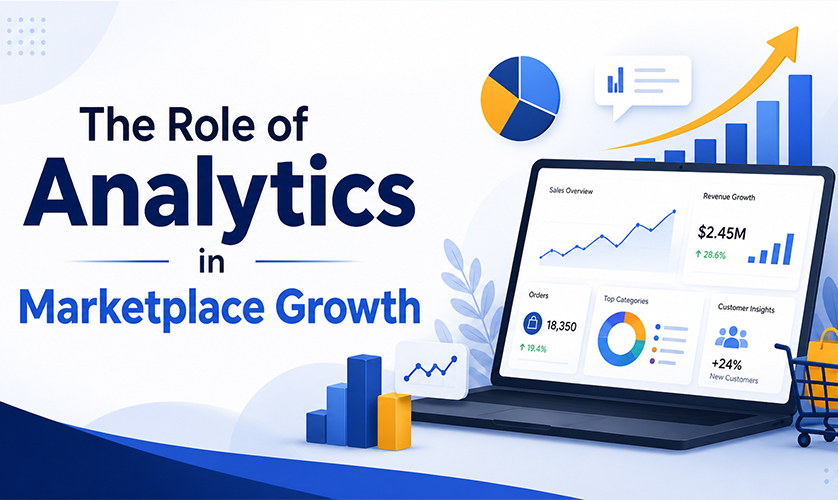
Analytics introduces clarity. It allows sellers to monitor performance in real time, identify growth opportunities, and manage risks before they impact revenue. This is where seller data optimization plays a crucial role—clean, structured, and accurate data ensures every decision is backed by reliable insights.
Understanding KPI Intelligence
Key Performance Indicators (KPIs) are not just numbers—they are signals that guide marketplace growth. However, tracking KPIs alone is not enough. What truly matters is KPI intelligence—the ability to interpret these metrics and take meaningful action.
Important KPIs every seller should track include:
- Conversion Rate (CVR): Measures how effectively your listing turns visitors into buyers
- Click-Through Rate (CTR): Indicates how attractive your product appears in search results
- Advertising Cost of Sale (ACoS): Helps evaluate ad efficiency and profitability
- Total Advertising Cost of Sale (TACoS): Shows long-term brand growth impact
- Inventory Turnover: Reflects how efficiently stock is managed
When these KPIs are connected through a centralized dashboard, they reveal patterns that are otherwise easy to miss.
From Data to Decision-Making
Analytics bridges the gap between raw data and smart decision-making. For example:
- A drop in conversion rate may signal poor listing optimization or negative reviews
- High ACoS could indicate inefficient keyword targeting or weak product positioning
- Low inventory turnover may highlight overstocking or demand miscalculation
By interpreting these signals, sellers can take precise actions—whether it’s optimizing listings, refining ad strategies, or adjusting pricing. This is the foundation of a scalable ecommerce analytics strategy.
Identifying Scaling Thresholds
One of the most powerful advantages of analytics is the ability to identify when to scale. Many sellers either scale too early or too late, both of which impact profitability.
With proper analytics:
- You can determine when your product has stable conversion rates
- You can assess if your margins can sustain higher ad spend
- You can evaluate whether inventory levels support increased demand
This clarity ensures that growth decisions are calculated, not emotional.
Managing Risk Through Data
Marketplace growth comes with inherent risks—inventory losses, ad overspending, listing suppression, and policy violations. Analytics helps mitigate these risks by providing early warning signals.
For instance:
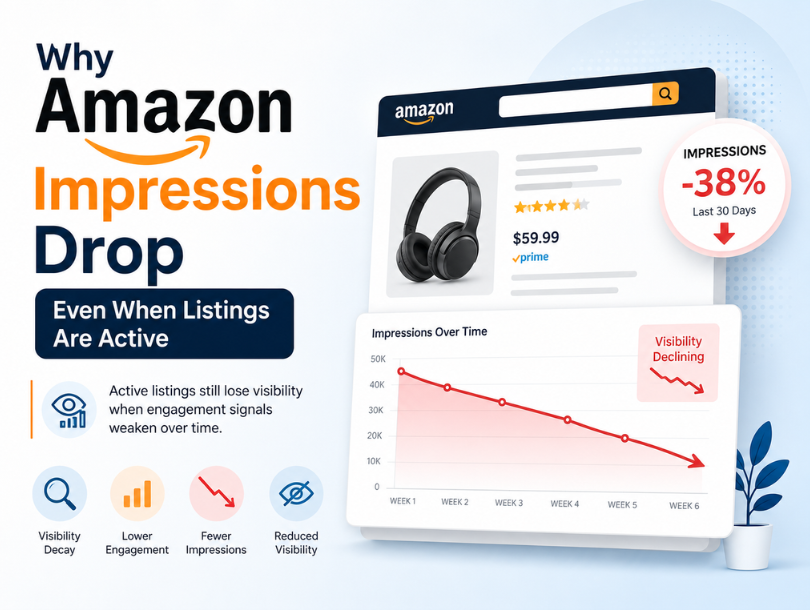
- Sudden drops in impressions may indicate listing suppression
- Rising return rates could signal product quality issues
- Increasing ad spend without sales growth may highlight inefficiencies
By continuously monitoring these signals, sellers can act before small issues turn into major setbacks.
Building a Data-Driven Marketplace Strategy
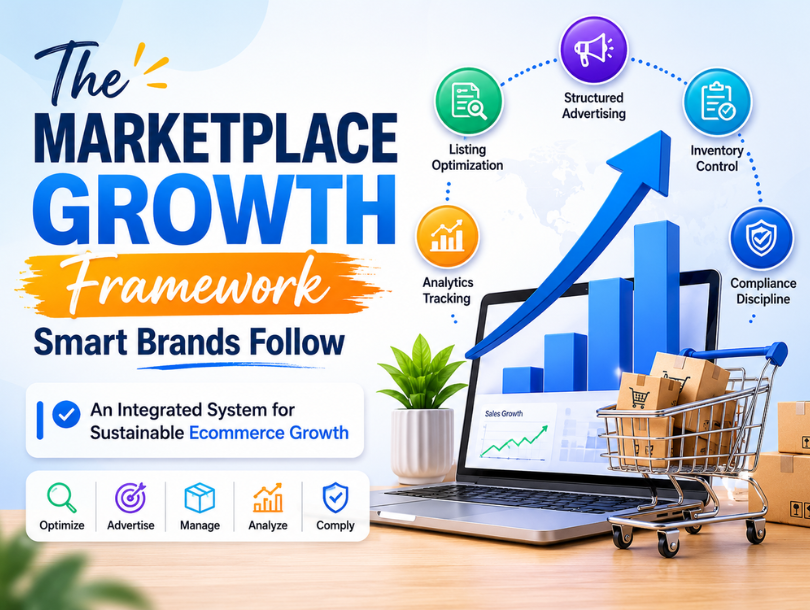
To fully leverage analytics, businesses must build a structured approach:
- Centralize Data: Use dashboards to track all KPIs in one place
- Maintain Data Accuracy: Ensure proper seller data optimization to avoid misleading insights
- Analyze Trends Regularly: Weekly and monthly reviews prevent reactive decision-making
- Align Data with Profitability: Focus on metrics that impact margins, not just revenue
- Continuously Optimize: Treat analytics as an ongoing process, not a one-time setup
Conclusion
Analytics is no longer optional—it is the foundation of sustainable marketplace growth. Without performance dashboards, businesses operate reactively, missing opportunities and exposing themselves to unnecessary risks.
A strong ecommerce analytics strategy combined with effective seller data optimization empowers brands to make informed decisions, identify scaling opportunities, and maintain profitability. In a marketplace environment where competition is increasing daily, the brands that win are the ones that understand their data—and act on it.