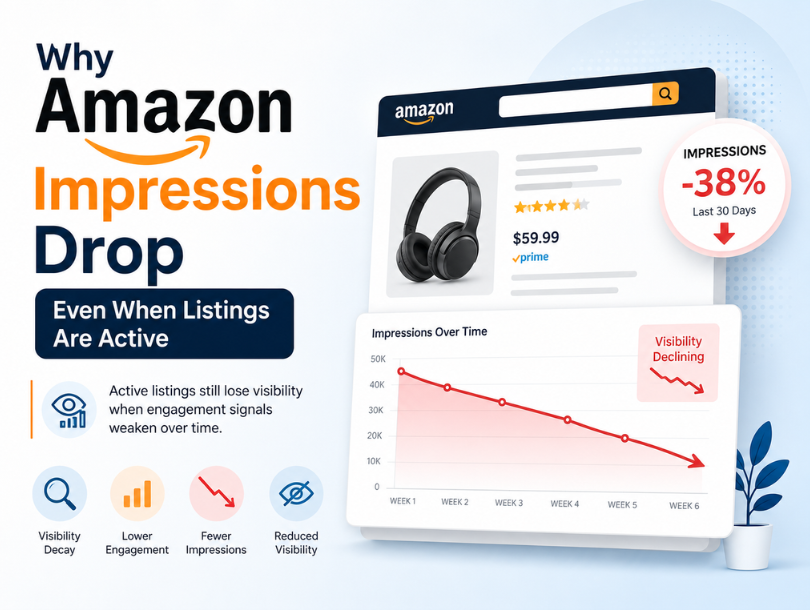
In today’s competitive marketplace ecosystem, your product ranking isn’t just driven by keywords or ads—it’s deeply influenced by customer experience. Platforms like Amazon, Walmart, and others are increasingly prioritizing buyer satisfaction signals to decide which products deserve visibility. If your product delivers a poor experience, your ranking will quietly decline—no matter how strong your SEO or PPC strategy is.
Why Customer Experience Matters More Than Ever
Search algorithms have evolved beyond basic relevance. They now measure how customers interact with your product after purchase. This includes return rates, review quality, delivery timelines, and overall satisfaction. These signals act as trust indicators, helping platforms determine whether your listing deserves to be shown to more buyers.
When customers are happy, your product gains organic traction. When they’re not, the algorithm takes notice—and reacts.
The Hidden Impact of Returns on Ranking
High return rates are one of the strongest negative signals in marketplace algorithms. When customers frequently return a product, it suggests a mismatch between expectation and reality. This could be due to misleading images, inaccurate descriptions, poor quality, or sizing issues.
A spike in returns doesn’t just affect profitability—it impacts seller performance optimization. Platforms interpret high return rates as a risk to customer satisfaction, which can lead to reduced visibility, suppressed rankings, or even account health warnings.
Key takeaway: If your returns are increasing, your ranking is already at risk.
Reviews: Your Strongest Ranking Signal
Customer reviews are more than social proof—they are a direct input into ranking algorithms. Positive reviews improve trust, click-through rates, and conversion rates. Negative reviews, on the other hand, can quickly damage both reputation and visibility.
But it’s not just about star ratings. Algorithms analyze:
- Review frequency and consistency
- Sentiment (positive vs negative language)
- Recent feedback trends
If your product starts receiving consistent negative feedback, the algorithm reduces its exposure to protect the customer experience.
Shipping & Delivery: The Silent Ranking Killer
Delayed shipping and poor fulfillment performance can quietly harm your rankings. Late deliveries lead to negative reviews, increased returns, and customer dissatisfaction—all of which feed back into the algorithm.
Even if your product is great, a bad delivery experience can override everything.
How to Improve Customer Experience for Better Rankings
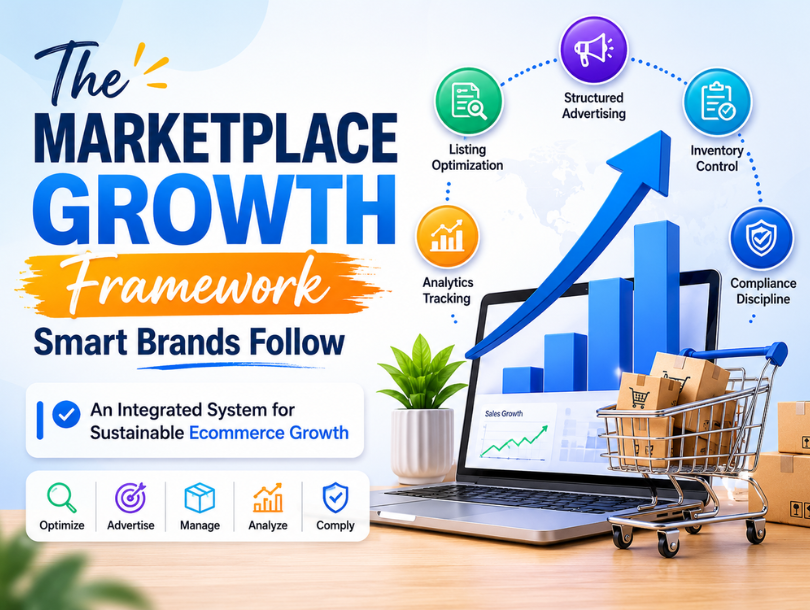
To win in today’s marketplace, brands must focus on end-to-end customer experience, not just listing optimization.
1. Optimize Product Listings for Accuracy
Ensure images, descriptions, and specifications match the actual product. This reduces expectation gaps and return rates.
2. Monitor Return Reasons
Analyze why customers are returning products. Fix recurring issues—whether it’s sizing, quality, or packaging.
3. Actively Manage Reviews
Respond to negative reviews, resolve issues, and continuously improve based on feedback trends.
4. Strengthen Fulfillment Operations
Fast, reliable shipping improves satisfaction and reduces negative signals.
5. Focus on Quality Control
Consistent product quality minimizes complaints, refunds, and poor reviews.
Final Thought
Your ranking is no longer just about visibility—it’s about credibility. Marketplaces reward sellers who deliver consistent, positive customer experiences. Every return, every review, and every delivery delay sends a signal to the algorithm.
If you want to improve your ranking, don’t just optimize your listing—optimize your customer experience.
Because in modern eCommerce, happy customers are your best SEO strategy.