In the fast-paced world of e-commerce, it’s tempting for sellers to chase “quick wins” — tactics promising immediate spikes in sales. While these shortcuts can create temporary boosts, they rarely translate into long-term growth. Relying solely on hacks and shortcuts often leaves sellers vulnerable to market fluctuations, high competition, and unsustainable business practices.
The Illusion of Short-Term Gains
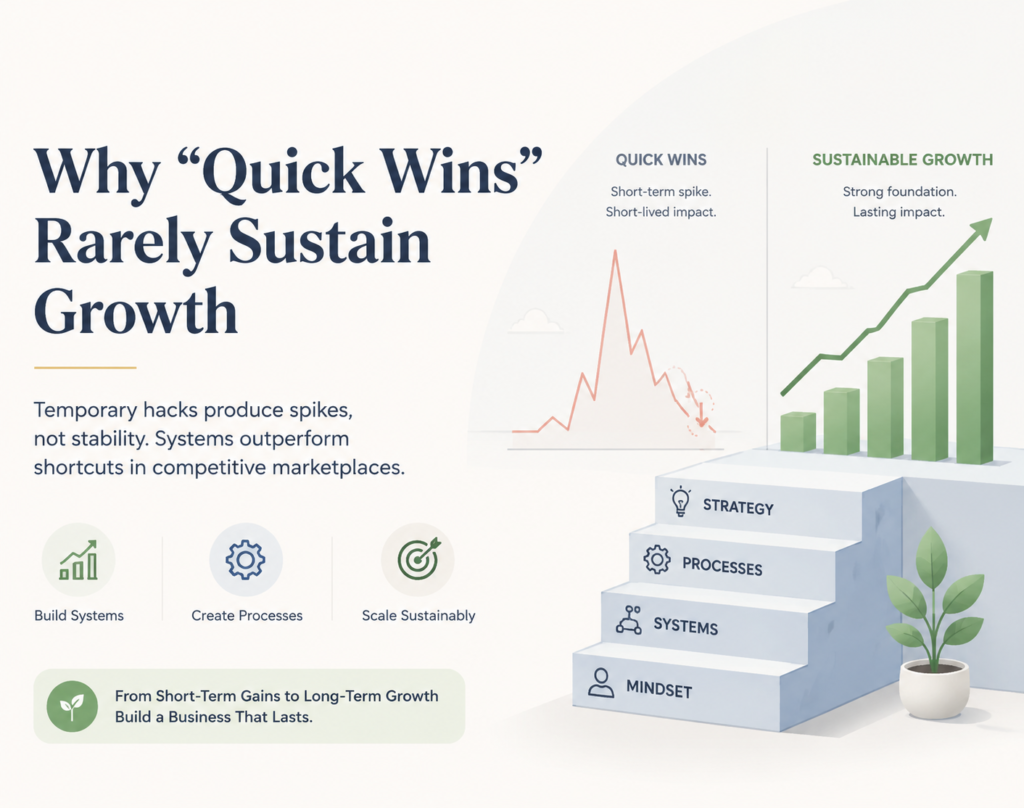
Many new sellers focus on flash promotions, aggressive discounting, or viral marketing gimmicks to see instant results. These tactics can feel rewarding initially, but the spikes in revenue are often short-lived. Once the promotion ends or the hype dies down, sales frequently plummet, leaving sellers scrambling for the next quick fix.
Systems Over Shortcuts
The key to long-term scaling lies in creating robust systems rather than chasing ephemeral tactics. Establishing repeatable processes in inventory management, product listings, customer service, and marketing campaigns ensures stability and efficiency. Sellers who prioritize systems can consistently meet customer expectations, optimize conversion rates, and maintain visibility in competitive marketplaces.
Building a Long-Term Mindset
Adopting a long-term scaling mindset requires patience and discipline. This means investing in quality products, building brand authority, optimizing your listings with data-backed strategies, and nurturing customer loyalty. While the journey may be slower, the results are sustainable and more resilient against sudden market shifts.
Actionable Steps for Sustainable Growth
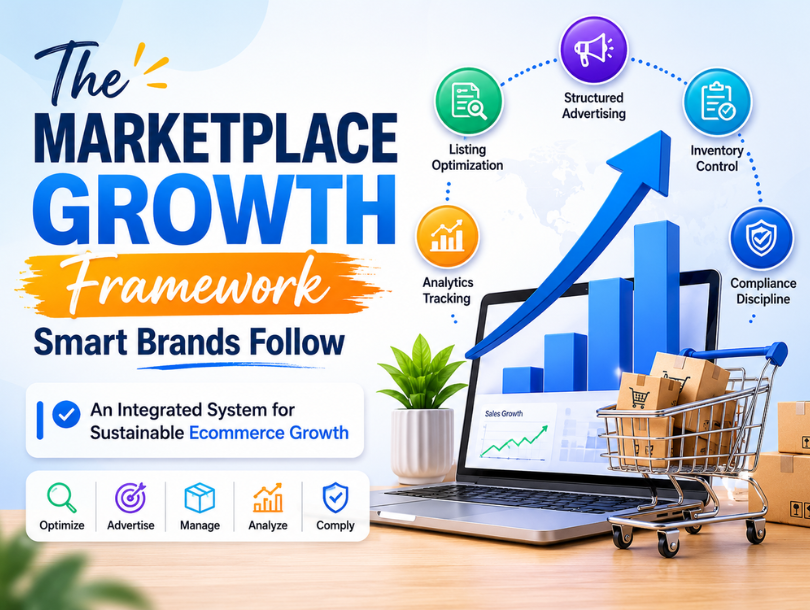
- Invest in your e-commerce growth framework – Focus on processes that can scale, not just one-off campaigns.
- Analyze data consistently – Use performance metrics to make informed decisions rather than relying on intuition.
- Optimize for repeatability – Develop standard operating procedures for marketing, fulfillment, and customer support.
- Prioritize brand authority – Build trust and recognition to reduce dependency on constant discounts or promotions.
Ultimately, sellers who understand that temporary spikes are not a replacement for strategic planning are better positioned to grow sustainably. A well-structured seller scaling strategy ensures not just survival, but competitive advantage in the long run.